Family of Brands



Main Navigation

by Burt's Bees | 3 Minute Read



Over 50 million people a year experience acne in the United States, according to the American Academy of Dermatology, making it the most common skin condition in the country.
Knowing what ingredients actually work, and what they can do for your skin can help you build a skin care routine that supports the health and wellbeing of your skin. Here’s the scoop on the best ingredients for to look for with acne-prone skin.
WILLOW BARK
Willow bark dates back to 400 B.C., when people were said to chew on the bark of the willow tree to help reduce fever and inflammation. Today, an extract from the bark is a top ingredient for skin care.
“Willow bark extract is a natural source of salicin which produces salicylic acid, a Beta Hydroxy Acid (BHA). It gently exfoliates the skin and unclogs the pores,” (explains Dr. DiAnne Davis), a board-certified fellowship-trained cosmetic dermatologist based in Dallas, Texas.
Willow bark extract is naturally high in compounds like salicin, along with phenolic acids and tannins, which give it anti-inflammatory and antimicrobial properties, and can make for a gentle alternative to isolated forms of salicylic acid.
SALICYLIC ACID
Salicylic acid is a beta hydroxy acid (BHA) and a dermatologist’s gold standard when it comes to taking care of acne-prone skin. It breaks through oil and clogged pores while exfoliating the skin, helping to prevent future breakouts. Salicylic acid breaks down the “glue” that holds skin cells together, which helps de-gunk blackheads and whiteheads.
Salicylic acid also has antimicrobial and anti-inflammatory properties, which can be another big benefit for acne-prone skin to help tackle redness and breakouts.
CICA
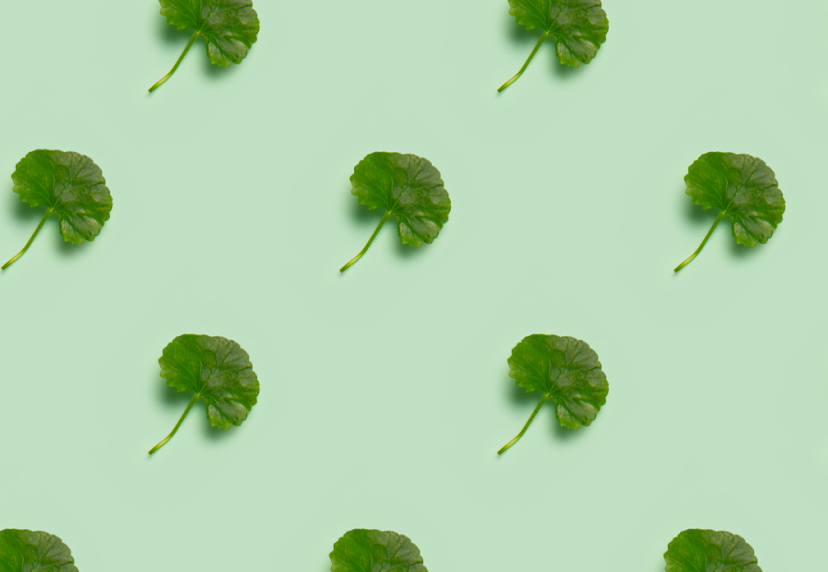
Cica (centella asiatica) is an ancient herb used for centuries in traditional medicine across Asia. It has “soothing properties, while also being antibacterial,” says Dr. Davis.
In a study, Centella asiatica extract helped to improve the skin barrier function and reduce redness by helping to lock in hydration and lowering the pH value of the skin.
Using Cica alongside other ingredients for acne-prone skin can bring balance to the skin with its ancient skin-soothing properties.
SQUALANE
Squalane is a skin-familiar hydrator that’s been found to have antioxidant properties. “It helps hydrate the skin and has antioxidant properties to fight free-radicals,” says Dr. Davis. It also helps give skin a smooth appearance and is great for all skin types.
Our skin naturally produces its own version of squalane called squalene, which makes it a great hydrator even for acne-prone skin types. Squalane can come from animal or plant-based sources (Burt’s Bees always use naturally derived squalane from Brazilian sugarcane in its skin care).
PREBIOTICS
“An imbalance in the skin microbiome can lead to breakouts,” explains Dr. Davis. Your skin microbiome is a tiny ecosystem of microscopic organisms that live on your skin and keep things running smoothly on the surface.
Prebiotics like inulin act as a source of nourishment to the bacteria, keeping them happy and their ecosystems flourishing, helping address imbalances in the skin’s microbiome.
Find more blemish and acne tips from Dr. Davis, who consulted on the formulation of the Burt’s Bees Clear & Balanced collection. Give your skin the natural support it needs with skin care from the #1 dermatologist-recommended natural skin care brand. Get started with our best-sellers!