Family of Brands



Main Navigation
by Burt's Bees | 3 min read
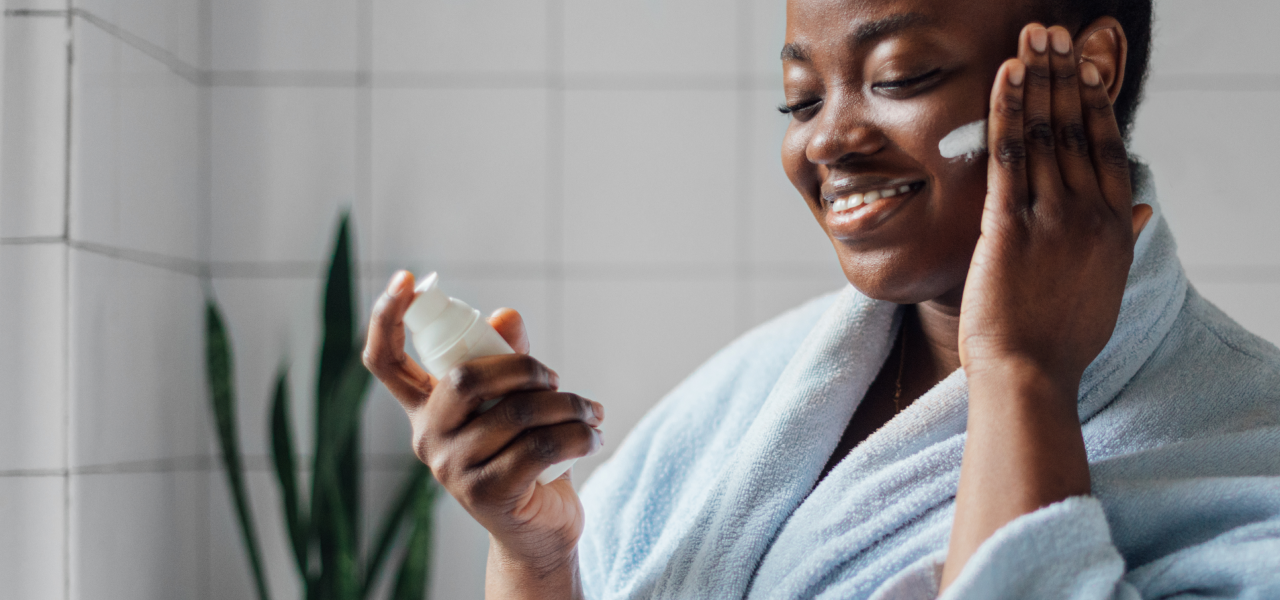


A moisturizer is a critical part of any good skin care routine, but how do you know what kind to use when there are so many options? We’re here to help clear things up and get you one step closer to hydrated, happy skin.
Why Everyone Needs Moisturizer
Your skin has something called the Natural Moisturizing Factor (NMF), which is a combination of elements like amino acids, hyaluronic acid and other moisture-grabbing humectants that work together to help your skin retain water.
As we age, our NMF weakens, allowing more water to escape the skin and leaving it feeling drier and potentially more sensitive or stressed. When you factor in things like occasional dehydration of your body, dry climates and over-cleansing, there are all sorts of reasons why your skin might be feeling parched.
Which Moisturizer Should You Use?
Different skin types benefit from different kinds of moisturizers, and some people may even want to pair more than one formula to get the best results for their skin. Everyone is different, and it’s important to listen to what your unique skin is telling you.
Moisturizers for Quenching Dry Skin
Dry skin can feel tight and tingly, especially after your wash your face. You may get stubborn dry patches, or have allover dry skin that feels constantly thirsty.
A smart place to look for dry skin moisturizers is in the sensitive skin care zone—these formulas are the gentlest, are usually free of fragrances (which can irritate already dry skin) and can still be richly hydrating.
am & pm
Moisturizers for Combination Skin
It’s pretty common to have dry skin on your cheeks and under your eyes while your forehead, nose and chin are little oilier. When you have combination skin, you may want to pair a few different moisturizers, since a single one won’t always bring out the best in your skin.You can match a richer, creamier lotion for dry skin with a more lightweight gel cream for oily skin to get tailored hydration that’s just for you.
Should You Moisturize Acne-Prone Skin?
You may think that adding moisturizer on top of acne will only lead to worse breakouts. But, what acne-prone skin needs is balance—the right moisturizer can help you get there.
Find a cleanser with salicylic acid to help treat existing acne, and follow it with lightweight moisture to help your skin stay calm as it heals.
to clarify & to calm
The Best Moisturizer for Aging Gracefully
If you want to combat fine lines and wrinkles, you can lean on your moisturizer to help smooth things over while it balances your skin’s hydration.Bakuchiol—a key ingredient in our Renewal line—is a natural retinol alternative that’s gentle by nature, so you can use it all day long without worrying about overdoing it.